
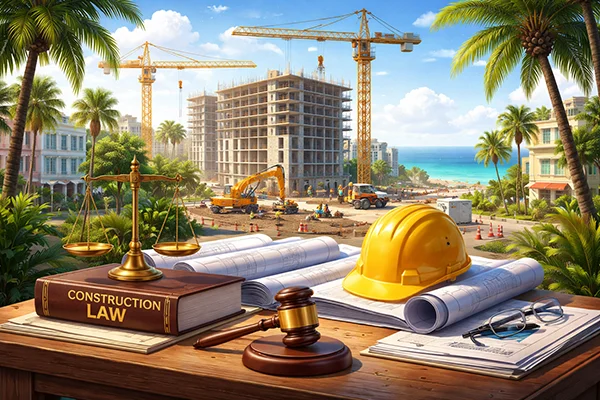
CONSTRUCTION LAW
I have significant experience working in the enforcement of construction contracts. I have helped general contractors, subcontractors, material suppliers, labor suppliers, consultants, and others in construction matters. A large part of the focus in the representation of construction clients is on the creation, review, and adherence to the proper contractual documents as it specifically relates to your duties on the project.
Additionally, a number of construction clients need assistance with the review of insurance policies and documents, general contracts and subcontracts, lien releases and waivers, bonding requirements, and more.
Drafting a Construction Contract: Guidance from a Clearwater Construction Law Attorney
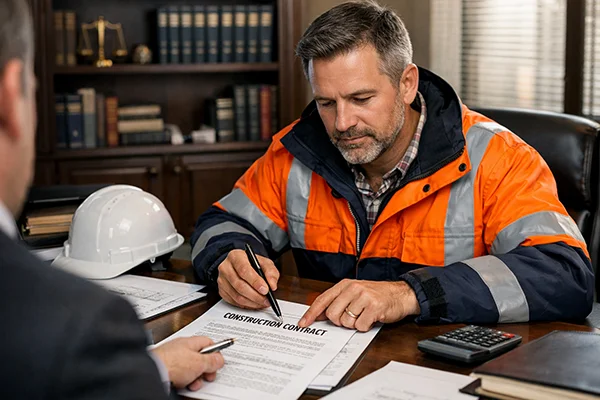
It is vital for parties involved in a construction project to create a valid contract. This is especially true for contractors who stand to lose the most if property owners fail to compensate them for their work. To help avoid problems in the future, contractors should speak with a knowledgeable lawyer who can help them draft a contract that addresses specific issues, including:
- The type of work that will be performed;
- The type of structure that will be built;
- The rights and duties of all participating parties, including contractors, subcontractors, laborers, designers, owners etc.;
- Notice of a construction lien;
- The means and amount of payment;
- When the parties will be paid;
- Labor and material warranties;
- Protection from liability;
- The estimated duration and associated costs of the project;
- Alternate plans in the event of an unexpected circumstance, such as a storm or natural disaster;
- Each party’s insurance coverage; and
- Details on how all disputes will be resolved.
Proper contract drafting is essential in preventing future disputes and ensuring the success of construction projects.
Clearly specifying these details will help keep projects running smoothly and protect the contractor’s interests in regards to terms of payment and performance.
There are a number of different types of contracts involved in construction projects. The kind of contract a contractor uses will depend largely on the type and scope of each project. Some of the most commonly used contracts include:
- Guaranteed maximum price contracts, which enable contractors to receive payment for the actual costs of a given project in addition to a fixed fee;
- Lump sum contracts, in which contractors agree to complete a specific project for a fixed price;
- Unit price contracts, which allow a contractor to be paid based on estimated quantities of items and their prices;
- Cost plus contracts, which require the client to reimburse a contractor for all previously determined expenses related to the project in addition to a fixed fee or a percentage to cover overhead and profit; and
- Incentive contracts, of which there are two main types, fixed price incentive contracts and cost reimbursement incentive contracts.
Contract disputes can become complicated, often involving payment disputes, delays, and abandonment, which can significantly impact the timeline and cost of a project.
There are many more types of contracts available to contractors, although only some are appropriate in certain situations. Creating the right kind of contract can have far-reaching consequences, so it’s important to consider all options carefully before deciding.
Construction Contract Essentials
Construction contracts provide the foundation for successful projects by defining expectations, responsibilities, and payment obligations. Clear and well-structured agreements help reduce misunderstandings and provide guidance if disputes occur.
Key provisions commonly addressed in construction contracts include:
Scope of Work: Clearly defining tasks, deliverables, and responsibilities helps establish measurable standards and reduces ambiguity.
Payment Terms: Payment schedules, methods, and procedures for handling disputes should be clearly outlined to reduce the risk of conflict.
Lien Rights: Provisions addressing lien rights and compliance with Florida’s Construction Lien Law help protect payment interests.
Insurance Requirements: Contracts often specify required insurance coverage to address potential property damage or liability concerns.
Defective Work Procedures: Establishing procedures for identifying and addressing alleged defects can help manage disputes efficiently.
Dispute Resolution: Including clear dispute resolution provisions—such as negotiation, mediation, arbitration, or litigation—provides a roadmap for resolving disagreements.
Legal review during contract drafting and negotiation can help ensure agreements comply with Florida law and address project-specific risks.
Understanding Construction Law in Clearwater Florida
Construction law addresses the legal issues that arise throughout the lifecycle of a construction project, from contract negotiation through project completion and dispute resolution. Common issues include contract interpretation, payment disputes, construction defects, lien rights, and compliance with contractual obligations under Florida law.
Construction-related disputes often involve multiple parties and layered contractual relationships, which can complicate resolution. Understanding the legal framework governing construction projects helps contractors, subcontractors, suppliers, and property owners protect their interests and respond effectively when disagreements arise.
Legal counsel familiar with Florida construction law can assist clients in evaluating claims, enforcing contractual rights, and pursuing resolution through negotiation, alternative dispute resolution, or litigation when appropriate.
Construction law attorneys represent contractors, subcontractors, developers, and engineers in matters such as contract disputes, mechanic’s liens, construction defects, and zoning regulations.
BREACH OF CONTRACT CLAIMS
Unfortunately, despite taking these precautions, contractors may still face legal issues related to a project or a breach of contract. One of the most common complaints made against contractors is that a property contains construction defects. Whether related to ventilation problems, plumbing issues, or structural integrity, construction defects can put an entire project on hold. These defects are not always the fault of a contractor, but may be the result of a manufacturer’s faulty design of a tool or part. Fortunately, Florida law guarantees contractors the right to notice, an inspection, and the opportunity to make repairs before a lawsuit can be filed against them.
Property owners are also required to file a construction defect claim with a contractor within four years of the date of possession, the date of issuance of a certificate of occupancy, the date of abandonment, or the date of completion, whichever is later. In the absence of special circumstances, a claimant’s failure to file a claim against a contractor within this time period would lead to the case being dismissed.
GENERAL CONTRACTOR INSURANCE
It is also vital for a contractor to have Owners and Contractors Protective Liability Insurance (OCP). These policies ensure that bodily injuries, property damage, and defects that occur on a job site will be covered. A general liability insurance policy will also cover the legal costs in defending a claim.
Florida contractors are required to carry general liability insurance. Currently, general contractors must have a policy that, at a minimum, provides the following coverage:
- $300,000 for bodily injury; and
- $50,000 for property damage.
Subcontractors and specialty contractors have a different minimum standard, which requires that their policies provide the following coverage:
- $100,000 for bodily injury; and
- $25,000 for property damage.
It is often unclear whether a contractor’s current policy will provide adequate coverage for a particular project. An attorney with good expertise can help resolve these questions as well as oversee negotiations with the insurance company, the contractor, and the other party.
LIEN WAIVERS
A lien is a hold that is placed on a property to ensure that a contractor is paid for his or her labor. Once a contractor has been paid, he or she fills out a lien waiver, which acknowledges receipt of full payment. The document also waives any future lien rights to the property. Florida law dictates how lien waivers should be worded, but it is still important for contractors to carefully read lien waivers before signing as these documents often include language waiving other important rights. The effective date of the waiver can also play havoc with a contractor’s finances if the document officially becomes effective before payment was actually received. This is known as an unconditional waiver. Many contractors opt for a conditional waiver, which becomes effective once a check has been paid by the issuing bank. Careful review can help avert these problems, ensuring that all parties receive compensation.
BONDING REQUIREMENTS
A number of cities in Florida require contractors to purchase surety bonds before completing a construction project. These bonds protect individuals, the city, or the state from financial loss in the event that a contractor does not comply with city codes or fails to correct a defect. Construction bonds have an expiration date, so it is important for contractors to ensure that all of their bonds are up to date. A failure to do so could leave a contractor on the hook for any costs related to a defect or permit violation
Construction Defect Claims and Dispute Resolution
Construction defect claims may arise when completed work does not meet contractual standards or specifications. These claims often involve questions of workmanship, materials, compliance with plans, or contractual performance.
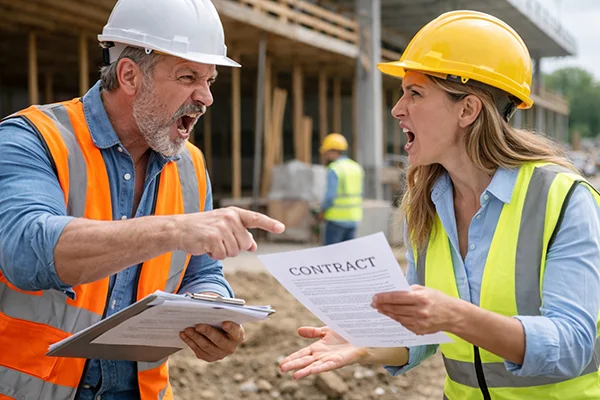
Florida law sets forth specific procedures and timelines governing construction defect claims, including notice requirements and opportunities to cure. Failure to follow these procedures can affect the rights and remedies available to the parties involved.
Legal guidance can help construction professionals and businesses assess potential defect claims, evaluate available remedies, and determine whether negotiation, mediation, arbitration, or litigation is the most appropriate path forward.
Preparing for a Construction Law Consultation
Before an initial consultation regarding a construction-related matter, it is helpful to gather relevant documents such as contracts, invoices, payment records, correspondence, and project schedules. Having these materials available allows for a more productive discussion and helps identify potential issues early.
An attorney handling construction-related legal matters can assist with reviewing contracts, evaluating dispute options, and advising on risk management strategies related to building projects. Early legal guidance can often help clarify obligations and reduce the likelihood of larger disputes later in the project lifecycle.
CONTACT AN EXPERIENCED CONSTRUCTION LAW ATTORNEY TODAY
Contractors, subcontractors, suppliers, and consultants who work in the construction industry are often vulnerable to attacks by clients arguing breach of contract. Having carefully reviewed and detailed contracts can go a long way towards alleviating that risk.
Clearwater Business Law provides practical legal guidance for businesses and construction professionals navigating construction-related legal matters. Our approach focuses on contract enforcement, dispute resolution, lien issues, and risk management under Florida law.
If you have questions regarding a construction contract, payment dispute, lien issue, or construction-related claim, contact Clearwater Business Law at 727-785-5100 to schedule a confidential consultation.