

FAQ: What Is a Construction Site Contract?
A construction site contract refers to the legal agreements and site-specific provisions that govern how work is performed at a particular construction project. Rather than focusing solely on high-level deal terms, construction site contracts control what happens on the ground—including daily operations, safety responsibilities, access to the site, coordination between parties, payment triggers, and how disputes tied to site activity are handled.
In practice, a construction site contract may consist of a primary construction agreement along with job-site rules, addenda, change orders, safety requirements, and subcontractor agreements that apply specifically to that location. These documents work together to define who is responsible for what happens at the site and how risks are allocated when issues arise.
For contractors, developers, and business owners in Florida, construction site contracts often determine liability far more than the original deal memo or proposal. Many construction disputes arise not because the overall contract was unclear, but because site-level obligations were misunderstood, poorly documented, or not enforced consistently.
Who Is Typically Bound by a Construction Site Contract?
Construction site contracts commonly affect multiple parties working at or connected to the project, even if they are not all signatories to the same document.

These parties may include property owners or developers, general contractors, subcontractors, material suppliers, consultants, and inspectors. While not everyone signs the same agreement, many parties are subject to site rules, safety requirements, scheduling obligations, and coordination protocols.
Understanding how site obligations flow between parties is critical. Disputes often arise when one party assumes another is responsible for site conditions, delays, or safety issues, only to discover that responsibility was allocated differently in site-specific contract provisions.
How Construction Site Contracts Differ From General Construction Contracts
A general construction contract outlines the overall business arrangement between parties—price, scope, and major obligations. A construction site contract, by contrast, governs how those obligations are carried out at a specific job site.
Site contracts address practical realities such as who controls access to the site, who is responsible for safety compliance, how multiple trades interact, and how unexpected conditions are handled. These details are often addressed through site-specific provisions that supplement or modify the main contract.
Because construction projects evolve daily, site contracts tend to generate disputes more frequently than the original agreement. Delays, damage, safety incidents, and payment issues often stem from site-level conduct rather than the initial deal terms.
Key Legal Provisions Commonly Found in Construction Site Contracts
Construction site contracts typically include provisions designed to manage daily operations and reduce risk at the project location.
Common site-specific provisions address job-site access and control, working hours, safety compliance, and coordination among trades. Contracts may specify who controls the site, who can issue directives, and how conflicts between subcontractors are resolved.
Insurance and indemnification provisions often take on heightened importance at the site level, particularly when multiple parties are working simultaneously. These clauses help determine who bears responsibility for injuries, property damage, or third-party claims tied to site activity.
Dispute resolution procedures are also frequently tailored to site issues, outlining how disagreements over delays, scope changes, or site conduct should be addressed before escalating into formal litigation.
Payment Issues That Commonly Arise at Construction Sites
Payment disputes frequently arise from site-level issues rather than contract pricing alone. Common problems include disagreements over whether work was completed, delays caused by other trades, or disputes over change orders triggered by site conditions.
Construction site contracts often specify inspection, approval, and documentation requirements that must be satisfied before payment is due. Failure to follow these procedures can delay payment or create disputes over entitlement.
Understanding site-specific payment provisions is critical for protecting cash flow and preserving lien rights under Florida law.
Site-Specific Change Orders and Scope Modifications
Changes to construction projects often occur at the job site. Unexpected conditions, design clarifications, or coordination issues can require immediate adjustments to the scope of work.
Construction site contracts typically establish procedures for documenting and approving change orders. Disputes frequently arise when changes are implemented informally or without proper documentation.
Clear change-order provisions help ensure that scope modifications are properly authorized, priced, and reflected in the project schedule.
Payment Issues That Commonly Arise at Construction Sites
Payment disputes frequently arise from site-level issues rather than contract pricing alone. Common problems include disagreements over whether work was completed, delays caused by other trades, or disputes over change orders triggered by site conditions.
Construction site contracts often specify inspection, approval, and documentation requirements that must be satisfied before payment is due. Failure to follow these procedures can delay payment or create disputes over entitlement.
Understanding site-specific payment provisions is critical for protecting cash flow and preserving lien rights under Florida law.
Site-Specific Change Orders and Scope Modifications
Changes to construction projects often occur at the job site. Unexpected conditions, design clarifications, or coordination issues can require immediate adjustments to the scope of work.
Construction site contracts typically establish procedures for documenting and approving change orders. Disputes frequently arise when changes are implemented informally or without proper documentation.
Clear change-order provisions help ensure that scope modifications are properly authorized, priced, and reflected in the project schedule.
Common Disputes Arising From Construction Site Contracts
Many construction disputes originate from site-specific issues rather than the overall contract framework. These disputes may involve safety responsibilities, access restrictions, damage caused by other contractors, or delays tied to site conditions.
Conflicting instructions, unclear authority, and inconsistent enforcement of site rules are frequent sources of conflict. When site obligations are not clearly defined or followed, disputes can quickly escalate.
Construction site contracts often dictate how these disputes must be resolved, making early legal review essential when issues arise.
Risk Allocation at the Construction Site
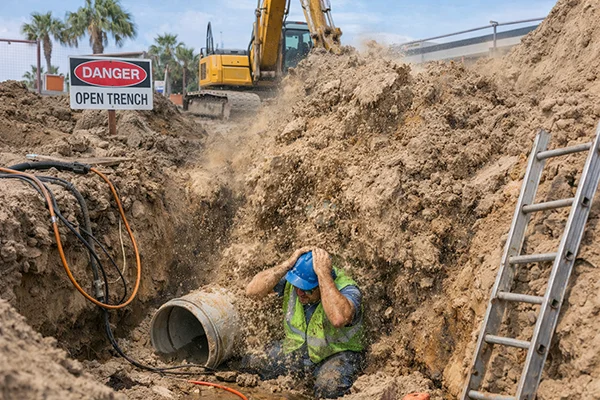
One of the primary purposes of a construction site contract is to allocate risk. Construction projects involve inherent risks, including accidents, weather impacts, unforeseen site conditions, and coordination failures.
Site contracts often determine who bears responsibility for injuries occurring on the job site, damage to completed work, or delays caused by site access problems. When these issues arise, liability often turns on the wording and enforcement of site-specific contract provisions.
Clear risk allocation helps prevent disputes by setting expectations upfront. When risk allocation is vague or inconsistent, disputes are more likely to escalate into costly legal battles.
Enforcing or Defending Construction Site Contract Obligations
When disputes occur, construction site contracts play a central role in determining rights and responsibilities. Enforcement may involve pursuing payment, defending against delay claims, or addressing alleged violations of site rules.
In some cases, disputes can be resolved through negotiation or alternative dispute resolution methods such as mediation or arbitration. In others, formal litigation may be necessary to protect business interests.
Understanding the site-specific contract provisions is critical to developing an effective legal strategy.
Terminating a Construction Site Contract
Termination at the site level may differ from termination of the entire construction agreement. In some situations, a party may be removed from the site, suspended from work, or partially terminated due to alleged violations.
Improper termination can expose parties to significant liability, including claims for lost profits or wrongful termination. Construction site contracts often outline the conditions and procedures required before termination can occur.
Careful review of termination provisions is essential before taking action that could escalate a dispute.
Why Construction Site Contracts Deserve Careful Legal Review
Construction site contracts govern the realities of how a project is executed. They allocate risk, control daily operations, and often determine who bears responsibility when problems arise.
For contractors, developers, and business owners in Florida, careful drafting and review of site-specific contract provisions can help prevent disputes and protect long-term business interests.If you are dealing with a construction site contract issue, payment dispute, or site-level conflict, speaking with a business law attorney early can help clarify your options and reduce risk. Clearwater Business Law serves businesses throughout Clearwater and the surrounding region. To schedule a confidential consultation, call 727-785-5100.